There are days when the world seems to grow quieter. We
continue to work, meet people, answer messages, make plans – but somewhere
inside, we begin to feel that it is time to stop and look not ahead, but within
ourselves.
Jewish tradition gives us a remarkable sequence of such
days: Rosh Hashanah, Yom Kippur, and Sukkot. We can see them not only as
religious holidays, but also as an ancient map of inner renewal – a journey
from awareness to cleansing, and then to joy. Three different holidays, three
different moods. And to me, there is a very deep connection between them.
The shofar on Rosh Hashanah! We have heard it many
times, yet every year its ancient sound seems to tell us once again: stop and
reflect. Sometimes we really do need such a reminder. After all, we can live
for years out of habit, repeating the same mistakes, getting upset over the
same things, without even noticing how much of what we do has simply become
automatic. Perhaps that is why, during these days, it is so important to stop,
even for a little while, and ask ourselves: Is everything in my life the way I
would like it to be? Am I going in the right direction?
But asking ourselves the question is the easy part.
Answering it honestly is much harder. And perhaps that is the special meaning
of the Ten Days of Repentance and Yom Kippur that follow Rosh Hashanah. We have
already stopped and taken a look at ourselves. Now we need the courage to
admit: yes, here I was wrong. None of us is perfect. And perhaps no one expects
us to be. But we can carry old hurts with us for a very long time. The other
person may have long forgotten the words they once said, while we still
remember them. Maybe forgiveness is not only for the person we forgive. We need
it too – so that the past can finally remain in the past and stop taking up
space in today.
And then, after these difficult days, Sukkot arrives
with a completely different feeling. We leave our solid, comfortable homes and
sit in a fragile sukkah under the open sky. And after all the questions we have
asked ourselves in the days before, one more comes to mind: What really makes
us happy?
We try so hard to prepare for happiness – we plan, save
money, worry about our children, our health, our work… It is only natural. But
no matter how hard we try, we can never have complete control over life. And
one of the most important lessons of Sukkot is not to wait for perfect
circumstances before allowing ourselves to feel joy.
While we are thinking about everything we still lack,
there is already so much around us that we simply fail to notice. There are
people we can call; loved ones we can hug; a home where someone is waiting for
us; a family table where we can gather together again; an ordinary day that
seems unremarkable – until one day we realize what a gift it really was.
Of course, gratitude does not make our problems
disappear. It does not mean that we should stop dreaming, making plans, or
striving for something better. It simply helps us not to miss our own lives
while we are waiting for them to become better.
Perhaps that is why this sequence of autumn holidays
speaks to me so deeply. Rosh Hashanah says: Wake up. Yom Kippur says: Let go of
mistakes and negativity. Sukkot says: Step outside under the open sky and be
grateful for what you already have.
And maybe these three simple actions are what make up
the grown-up version of happiness: not receiving everything we want from the
Universe, but learning to live in a state of mind that allows us to recognize
the value of what it has already given us.
Shanah Tovah U’Metukah! I wish everyone peace, good health, and many joyful
moments in the year 5787! And may it bring us many more ordinary days that make
us want to say, “Thank you.”
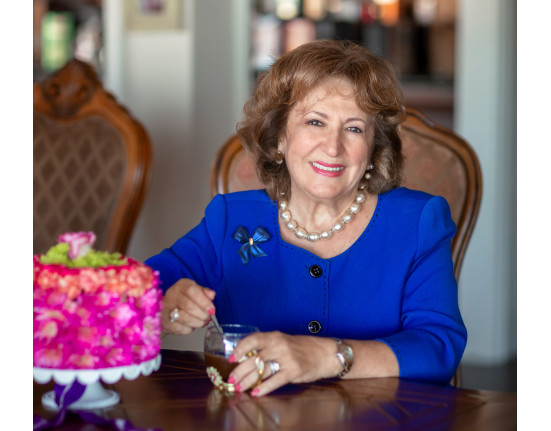
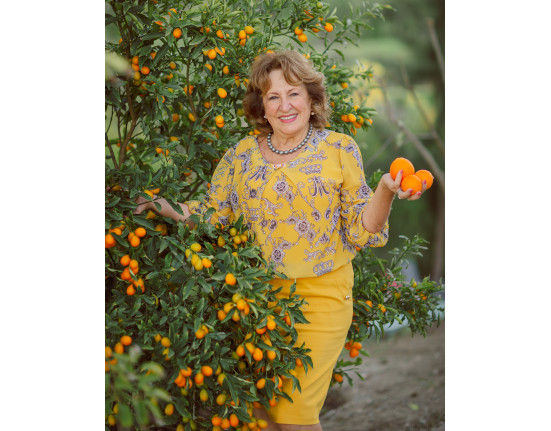
Dr. Zoya Maksumova
Editor-in-Chief
(September 2026, "Ladies' World" #303)