What if one day a
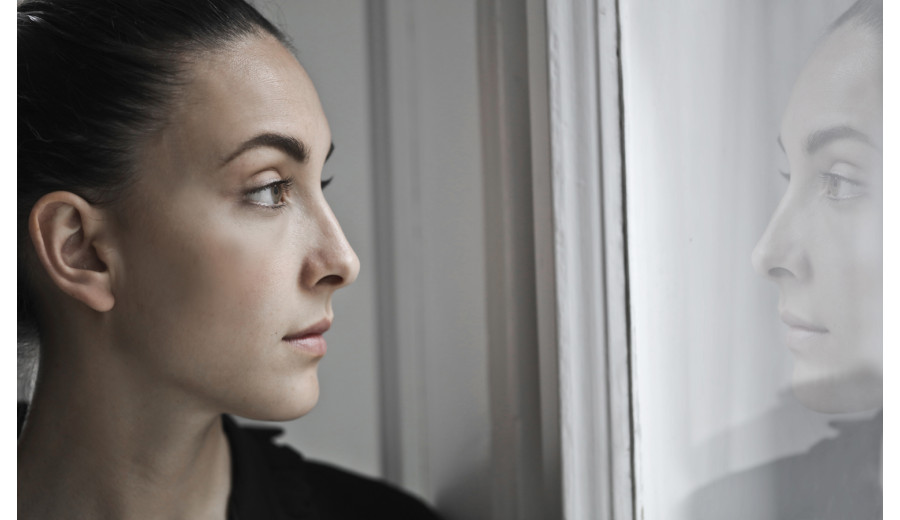
miracle happened, and every person were allowed to see themselves from the
outside – through the eyes of those around them? Not in a photograph or a video
recording, but to see themselves during a conversation, an argument, a moment
of hurt, irritation, or while trying to prove they were right. They would see
their facial expressions, hear their tone of voice, feel how their arrogance,
fear, need to control, desire to always be right, or habit of interrupting
actually appear to others. Perhaps you have already found yourself trying to
imagine what you look like from the outside.
I wonder how many
people, after such a viewing, would say, “Is that really me?”
By nature, all people
are self-centered. We believe that we know ourselves well. In reality, we know
only our inner version of ourselves, the one presented to us by the
subconscious, which carefully hides our emotional wounds, inner blocks, and
defense mechanisms from our conscious mind. We understand our own intentions,
successes, and failures very well. Our brain functions like a brilliant defense
attorney, instantly justifying almost every mistake we make. But other people
encounter not our intentions – they encounter only our behavior.
To ourselves, we are
simply someone who “wanted to help.” To another person, we were controlling. To
ourselves, we “just told the truth.” To another person, we humiliated them. To
ourselves, we were “defending ourselves.” To another person, we were attacking.
That is why criticism is so difficult for us to accept. We compare not the
behavior others actually see, but the intentions known only to ourselves. The
Talmud teaches: “A person is his own close relative, and a relative cannot
testify in court.”
Unfortunately, nature
did not equip us with the ability to see ourselves clearly from the outside.
Our psyche protects our sense of wholeness. As a result, the brain smooths over
reality, justifies us, conveniently forgets uncomfortable moments, shifts
responsibility, and changes our interpretation of events.
What nature did
generously give us, however, is another talent - the ability to notice other
people’s mistakes instantly. We diagnose others quickly, easily recognize their
unfairness and faults, and know exactly who needs therapy and who ought to
change.
Yet there are two simple
truths which, if deeply understood, can change a great deal. The first: it is
impossible to make another person change. The only person you can change is
yourself and your own reactions. The second: your emotional reaction to another
person always says more about you than it does about them.
We can spend decades
repeating the same patterns of behavior, sincerely unable to understand why
relationships deteriorate, why children grow distant, why a spouse stops
hearing us, or why colleagues avoid us. And sometimes we reach the end of life
with hearts filled with pain, resentment, and the feeling of having been
misunderstood.
Yet the willingness to
look at yourself from the outside is already a truly mature act – one worthy of
deep respect. Genuine spiritual growth begins not when we become skilled at
noticing other people’s shortcomings, but when we begin to recognize our own.
In Jewish Spiritual
Therapy, which my colleagues and I practice, there is a powerful technique that
we often use with clients experiencing relationship difficulties. In a state of
deep relaxation, the client is invited to imagine stepping into the other
person’s shoes to mentally enter their body, experience what they are feeling,
and look at themselves through that person’s eyes. This capacity for perception
is also built into every human being. The client begins describing themselves
as they believe the other person would describe them. Very often, they say
things about themselves that they could never have said from their own
perspective. Quite often, this exercise becomes a profound emotional experience
that opens the door to deep inner transformation.
My dear friends, during
these difficult days in the history of the Jewish people, let us spend a little
less time looking at the shortcomings of others and a little more time looking
into our own hearts. Perhaps it is there that the process of healing and repair
begins – the kind of repair that is needed not only by each one of us, but by
our entire nation.