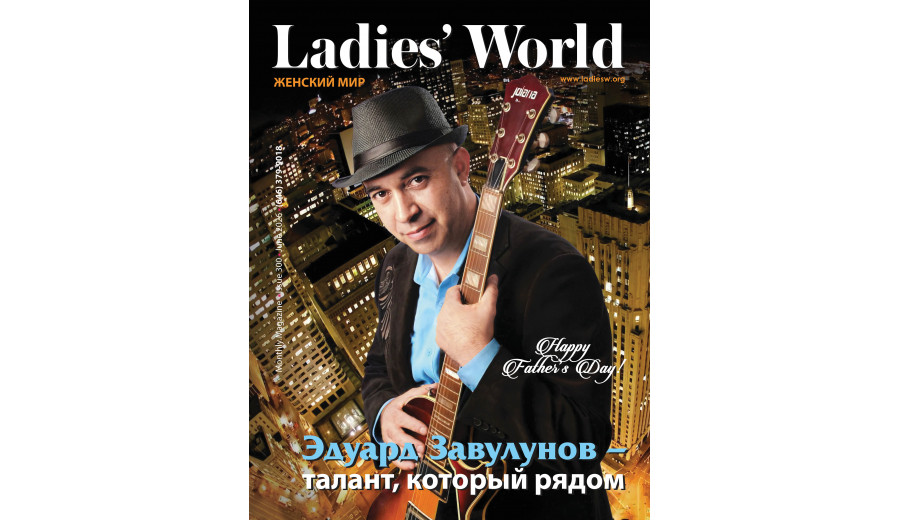
As Father’s Day approaches, we wanted to share the story
not only of a gifted musician and remarkable singer, but also of a father’s
profound pride in his son. This article is a deeply personal and heartfelt
account by my fellow Dushanbe native, Professor Arkady Zavulunov, about his son
Eduard—a man for whom music has become a true calling and lifelong passion.
Eduard Zavulunov is a singer with a vibrant and diverse
repertoire who carefully preserves the musical traditions of the East and has
been sharing his artistry with audiences throughout New York for many years,
including at events organized by our women’s organization and magazine. Yet
perhaps the most touching aspect of this story is the warmth, love, and
admiration with which a father speaks about his son, his talent, his
dedication, and his unwavering devotion to music.
Dr. Zoya Maksumova
Sometimes life grants parents a special blessing—the
opportunity to watch their child discover a true calling and move through life
with that inner light that cannot be taught, imitated, or invented. For me,
that person has always been my son, Eduard Zavulunov.
From early childhood, music was his world. It was never a
passing hobby or a temporary interest; it was a part of his very soul. And
today, after so many years, I look back on his artistic journey with gratitude
and pride, knowing that everything he does on stage comes from the heart—with
genuine love for both people and music.
Eduard grew up in Dushanbe, a remarkable city with a rich
cultural heritage that has given the world many talented artists, musicians,
scholars, and cultural figures. Dushanbe has long been a center of science and
culture in Tajikistan. It was home to outstanding individuals such as film
director Benyamin Kimyagarov, creator of cinematic classics; composer Yakhiel
Sabzanov; and celebrated singers Neryo Aminov, Barno Iskhakova, Shoista
Mullojanova, Rena Galibova, Rafael Tolmasov, and many others.
The city fostered a unique atmosphere of respect for art,
tradition, and music. It was in this environment that Eduard’s musical taste
and artistic identity were formed. He studied at the Institute of Arts and
became a student of the legendary Barno Iskhakova—an exceptional performer and
one of the foremost authorities on the art of Shashmaqam. For any musician or
singer, such mentorship is both a tremendous honor and a priceless artistic foundation.
I have always admired the respect and care with which Eduard preserves that
legacy.
His mother, Dr. Zoya Galibova, who dedicated more than
thirty years of her life to working as a neurologist in Dushanbe, deeply
understood and appreciated her son’s musical gift. Sadly, she passed away in
2018. Yet I am certain that her love, support, and faith in him remain an
enduring part of his journey.
Over the years, Eduard has built a truly unique
repertoire. He performs songs from across the East—Tajik, Uzbek, Azerbaijani,
and Turkish—and what makes these performances especially meaningful is that he
sings each song in its original language. For him, this is more than music; it
is a gesture of respect toward culture, tradition, and the collective memory of
a people.
At the same time, Russian songs take on a particularly
moving quality in his interpretation. Some works require more than a beautiful
voice—they demand emotional depth, maturity, and sincerity. Audiences
immediately recognize this when Eduard performs songs from the repertoire of
the legendary Muslim Magomaev, including Nocturne, Blue Eternity, and You Are My Melody. He does not
imitate or mimic; he lives each song.
I have always taken special pleasure in seeing how
naturally he moves between the music of different cultures and generations. His
repertoire also includes songs in Italian and English, featuring works by
Adriano Celentano, Toto Cutugno, Joe Dassin, as well as timeless classics such
as My Way and New York, New York. Yet in every
performance, his own voice remains unmistakable—warm, sincere, and uniquely
his.
During his years of performing in New York, Eduard
released two albums. The first, I Want the Songs to Be Heard,
was released in 2002. His second album, Caravan of Love,
followed in 2017. This project holds special meaning for me because it featured
the participation of the outstanding Shashmaqam performer and scholar Abram
Tolmasov, whose masterful violin work enriched the recording. The result was a
beautiful and deeply meaningful project filled with genuine love for Eastern
music.
Eduard has never been content to rest on past
achievements. He continues to challenge himself, explore new dimensions of
sound, and discover fresh artistic horizons. Most importantly, he sings with
soul—and perhaps that is why audiences respond to him with such warmth and
affection.
He performs works from the Shashmaqam tradition with
particular love, including Be Bokhcha, Nim Chuponi, On Siyah, To Bodi Sabo, and many other pieces
in which the history, culture, and spirit of the East continue to live.
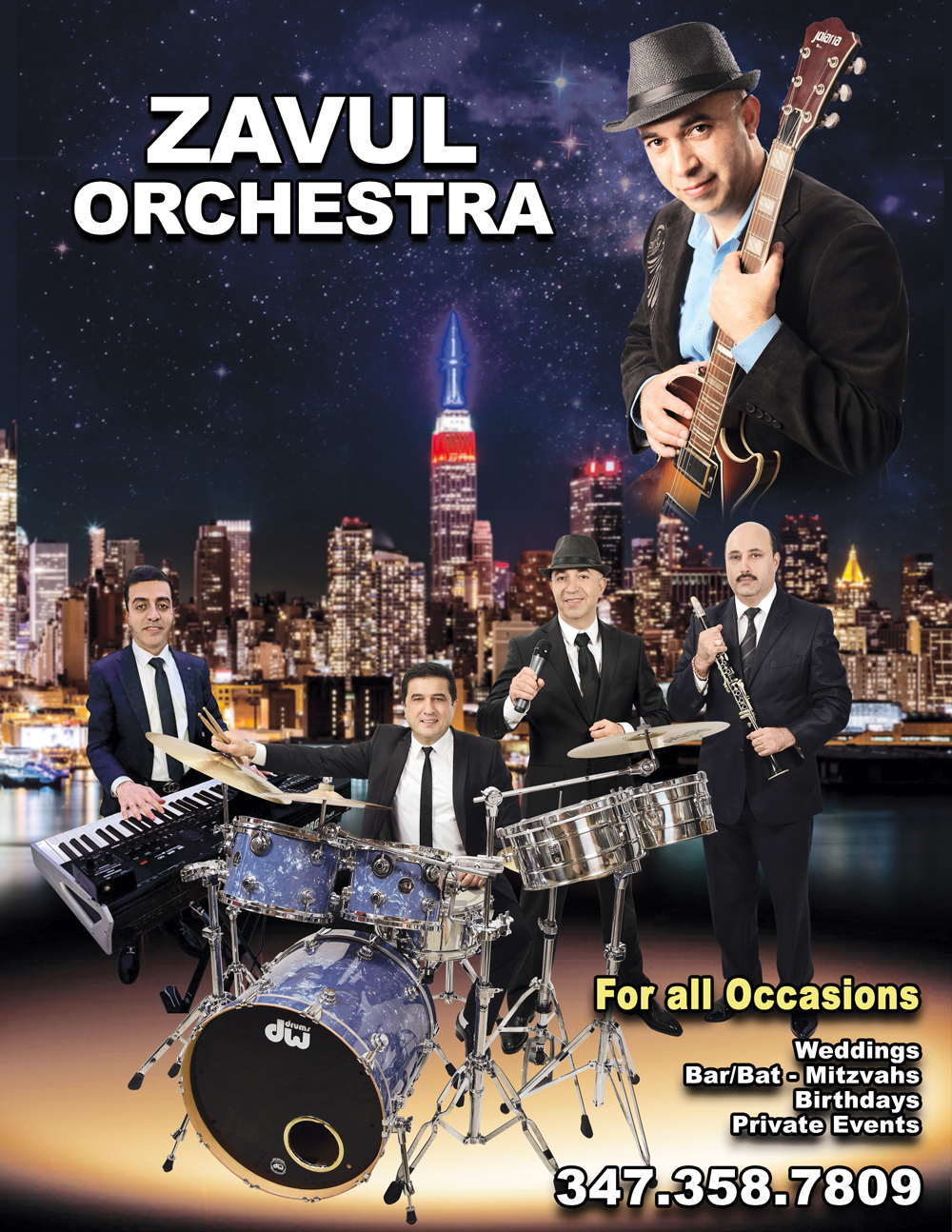
Alongside him are talented musicians and close
friends—Alexander Khafizov, Ruben Alishaev, Sasha Matatov, and other
accomplished performers. Together, they create unforgettable celebrations at
weddings, bar mitzvahs, brit milah ceremonies, anniversaries, birthdays, and
countless other events. It brings me great joy to see how warmly people welcome
this group and how much they appreciate their performances.
In recent years, Eduard’s music has reached an even wider
audience through YouTube, where his songs continue to find new listeners and
receive heartfelt responses from people around the world. As a father, I can
say there is no greater happiness than watching your child’s talent continue to
grow, flourish, and bring light into the lives of others.
But what matters most to me is not only the artist Eduard
has become. I am equally proud of the man he has become.
To his parents, he has always been a caring and devoted
son. To his family, he is a loving father of three children and a proud
grandfather of seven grandchildren—a man for whom family remains life’s
greatest treasure. By his side throughout the years has been his devoted wife,
Irina Zavulunova, a healthcare professional. Together they have built a beautiful,
close-knit family founded on love, mutual respect, and unwavering support.
That, too, gives me every reason to be proud.
I am truly blessed to have such a son.
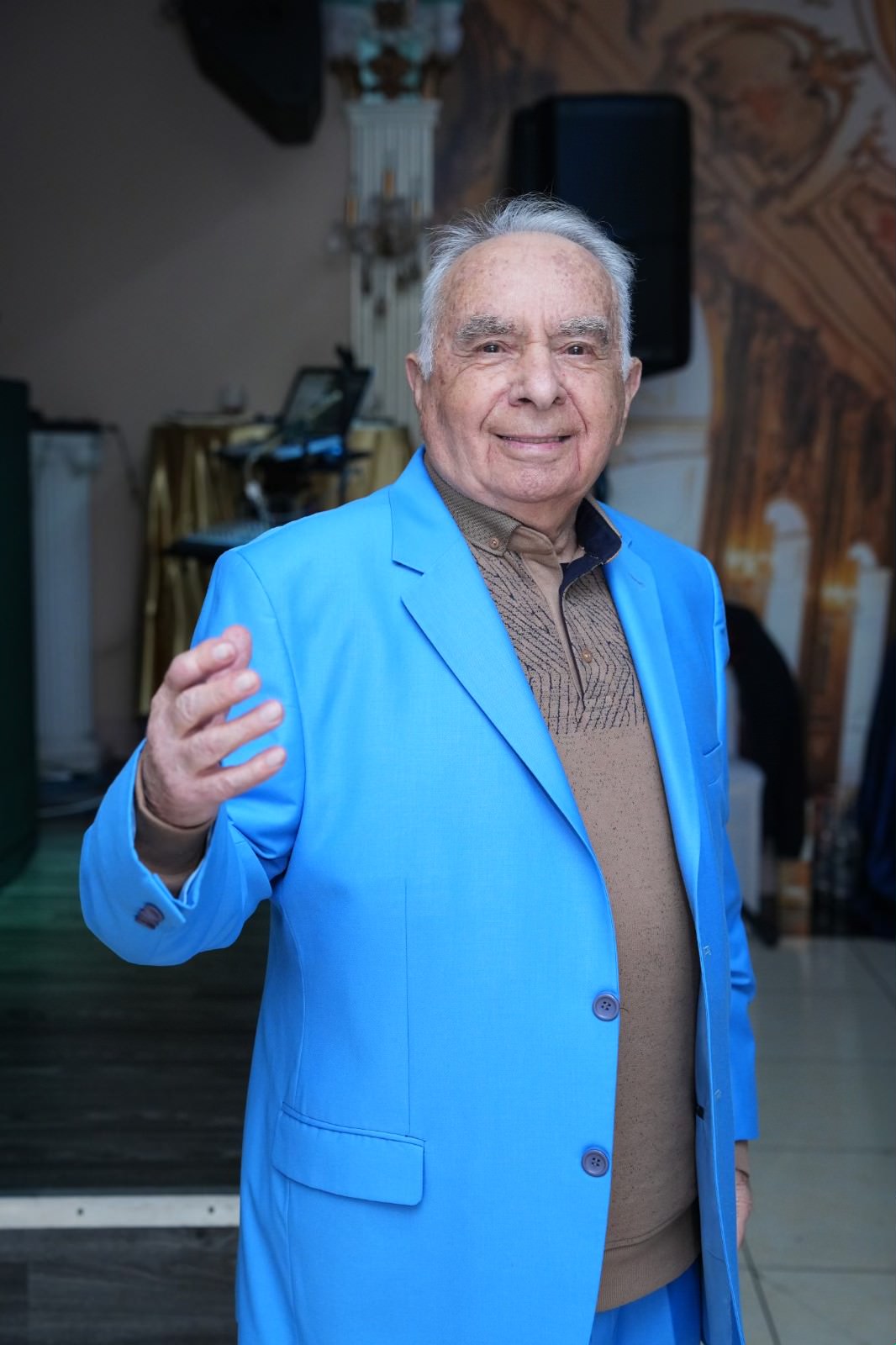 On Father’s Day, I congratulate him with all my heart. I
wish him continued artistic success, inspiration, good health, family
happiness, and prosperity. May music always remain a part of his soul, and may
the love of his audiences accompany him for many years to come.
On Father’s Day, I congratulate him with all my heart. I
wish him continued artistic success, inspiration, good health, family
happiness, and prosperity. May music always remain a part of his soul, and may
the love of his audiences accompany him for many years to come.
Professor Arkady Zavulunov