Bukharian families have always placed family and the well-being of their
children above all else. Coming to a new country, we worked hard and honestly
to provide our children with a secure and peaceful future. Over time, many of
us were able to purchase a primary residence and, in some cases, even
investment properties. Amid the challenges of adapting to a new country,
working, and paying off mortgages, estate planning often took a back seat. Yet
today, more than ever, I encourage our wonderful community to take steps to
protect the wealth and real estate built through years of dedication and
perseverance.
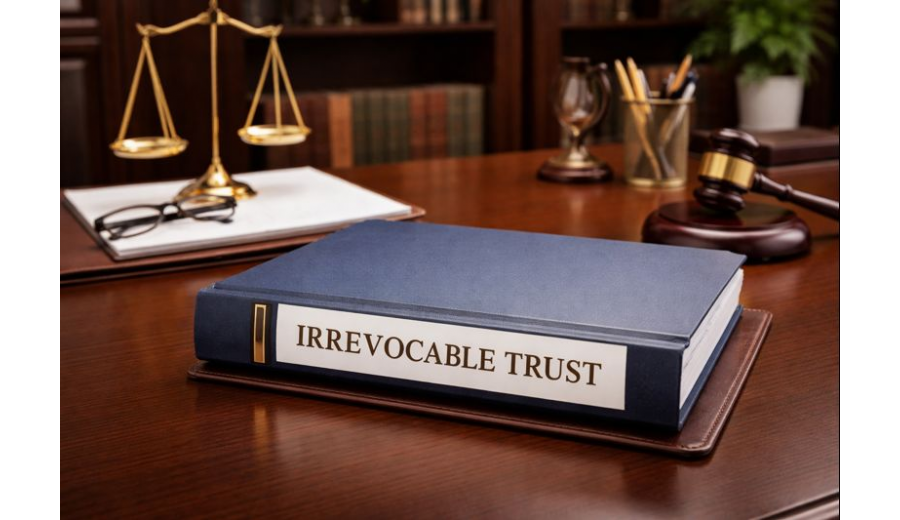
If you own a home and have adult children, it
often makes sense to transfer that home into an Irrevocable Trust. This is especially relevant for our
close-knit community, where most parents maintain strong relationships with
their children and want to ensure that their property passes to them
smoothly—without court proceedings or exposure to creditors. If you own a home
and are a participant in the Medicaid program, transferring the property into a
trust becomes even more important, as Medicaid may assert claims against an
estate.
As you may know, the key asset-protection
benefits of an irrevocable trust include shielding your home or homes from
creditors, avoiding probate upon death—allowing beneficiaries to receive the
property automatically—and potentially qualifying for Medicaid if you require
long-term care or other costly medical coverage in the future. What are the
drawbacks? For younger individuals, an irrevocable trust usually does not make
sense, as it can be difficult to appoint a trustee when their children are
still minors. This concern does not apply to older individuals who have adult
children they can trust. Likewise, earlier in life we cannot accurately predict
our financial situation in retirement. We may need to sell our home, downsize,
or increase retirement income. As we approach or enter retirement,
circumstances change. For this reason, for most older individuals with reliable
family support, I see very few disadvantages to transferring real estate into
an irrevocable trust.
So how does a trust work? When a home or
multiple properties are transferred into a trust, you retain the right to live
in the property, all tax benefits remain intact (including senior exemptions
such as SCHE, STAR, and others), and you may even retain the right to rental
income. For tax purposes, the property remains treated as yours, meaning your
tax and mortgage obligations do not change. You also continue to pay all
expenses related to the property. If you decide to sell the property during
your lifetime, your designated trustee will sign the sales contract and deposit
the proceeds into the trust account. The trustee may then use those funds to
purchase other real estate or make investments through the trust. Another
important advantage of an irrevocable trust is that you retain the
right—independently, without a guardian—to change beneficiaries among your
children, grandchildren, other family members, or even a charitable
organization.
For these reasons, I encourage you to consider
this valuable asset-protection tool—the irrevocable trust—to provide for your
family in the most thoughtful and effective way after your passing. If you
worked so hard for your children during your lifetime, it is only natural to
take the next step and ensure they are properly protected afterward. May our
Bukharian community continue to flourish and witness the success of future
generations.
Am Yisrael Chai!
Call us today at 347-699-5529 for a free telephone consultation or visit us online.