For the first time in decades, the U.S. government admitted something
many women already know: it’s not your willpower. It’s the food.
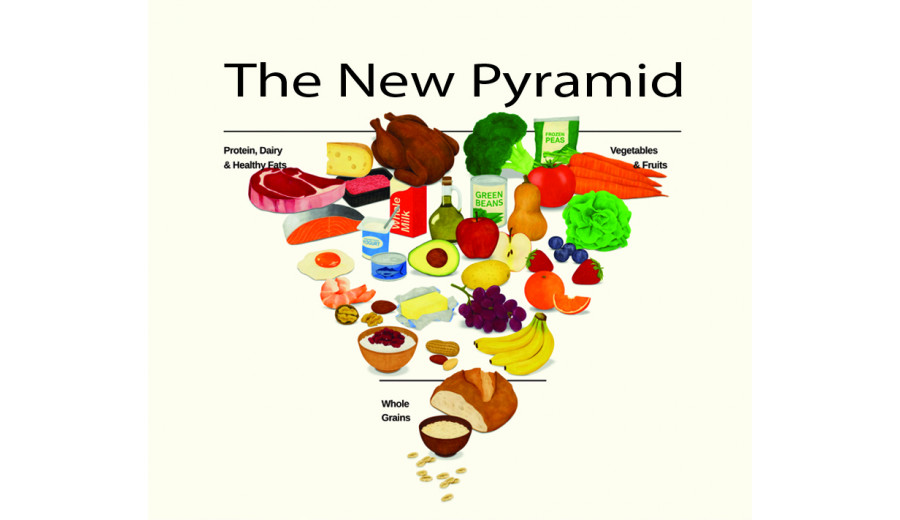
The new 2025–2030 Dietary Guidelines quietly changed their message. After
years of telling people to eat low-fat and count calories – while weight gain,
diabetes, and fatigue kept rising, they finally said what matters most: food
quality is more important than calories.
This matters a lot during perimenopause. Hormone changes affect how your
body handles food, stress, and blood sugar. If the way you used to eat suddenly
stopped working, that doesn’t mean you failed. Your body changed.
For the first time ever, the Guidelines clearly say that highly processed
foods hurt our health. These foods don’t just add calories. They confuse hunger
signals, slow metabolism, raise blood sugar, and make weight gain more likely.
Scientists have known this for years. What’s new is that the government is
finally admitting it.
Another big change is protein. The new advice says people need more
protein than we were told before. This is especially important for women in
midlife. During perimenopause, women lose muscle faster, which slows metabolism
and affects strength and energy. For years, women were told to eat less protein
and avoid animal foods. That advice didn’t match how the body works, especially
as hormones change.
There is also a shift away from the old low-fat message. Full-fat dairy
is no longer treated as dangerous. Fat helps support hormones, brain health,
and feeling full after meals. Real food matters more than labels like
“low-fat.”
One of the most important parts of the Guidelines is a simple statement:
some people do better with fewer carbs. This is a big deal. During
perimenopause, many women become more sensitive to carbs because of hormone and
blood sugar changes. If carbs now make you gain weight, crash, or feel
inflamed, that’s not a personal failure. It’s how your body responds.
The Guidelines still aren’t perfect. They are written for the average
person, and perimenopausal women are not average. What works for one woman may
not work for another. Food
choices need to be adjusted based on a woman’s physical exam, lab results,
genetic tendencies, and personal health goals.
The main message is this: your
body is responding to a real biological transition. The science is finally starting to
match what women have been feeling for years.
Guidelines are a starting point, not a plan. If you’re tired of trying
everything and still not feeling like yourself, reach out. Perimenopause needs
a personal approach – and real support makes all the difference.