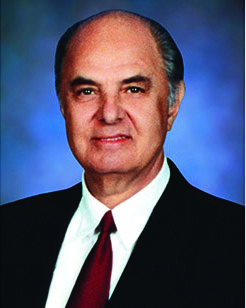
 Dr. Robert
Pinkhasov is widely known among Bukharian Jews around the world. A medical
doctor, historian, and researcher, he has devoted many years to preserving the
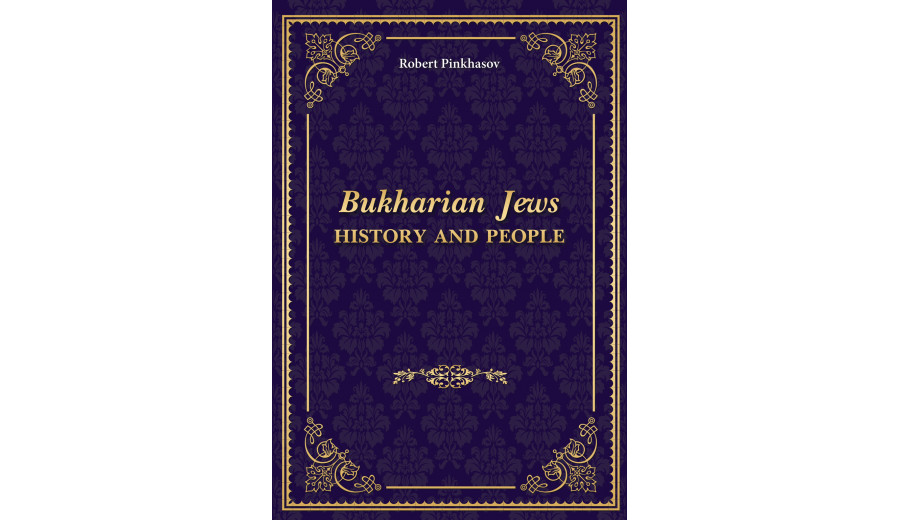
history and heritage of our people. He has recently released a new book, Bukharian
Jews: History and People. In this issue, we begin publishing selected
excerpts from the book, opening vivid and meaningful pages of our past to our
readers. We believe this encounter with our history will be both deeply significant
and long awaited by many.
Dr. Robert
Pinkhasov is widely known among Bukharian Jews around the world. A medical
doctor, historian, and researcher, he has devoted many years to preserving the
history and heritage of our people. He has recently released a new book, Bukharian
Jews: History and People. In this issue, we begin publishing selected
excerpts from the book, opening vivid and meaningful pages of our past to our
readers. We believe this encounter with our history will be both deeply significant
and long awaited by many.
Bukharian Jews in the History of the Centuries (XVII – beginning XXI cc.)
From the author
This English edition is almost the first attempt to fill in the blanks of the history of Bukharian Jews, to describe in particular the Bukharian Jewish communities in the cities of Central Asia and the array of places around the world that our fellowmen have ever populated. It also includes the history of synagogues and Bukharian Jewish cemeteries, as well as the information on prominent figures. As a part of world Jewry with centuries old history, Bukharian Jewish community was always committed to its religion, culture and national traditions. Its population worldwide is currently estimated as 230,000 people. Community members live in different countries, the largest number resides in Israel (160,000 people) and USA (60,000).
The
people’s history is first of all, the history of people belonging to it. This
book is an attempt to express the history of the people through the prism of
the most famous personalities in various fields of activities.
It is
no secret that during the Soviet period for many decades, the history of the Jews was hushed up, distorted, grossly falsified, and then the history of
the Jews was completely forgotten. The contribution of the Jews to the social,
cultural, economic life of the Russian Empire and the USSR was highly distorted
and falsified. It is important that the traces of those, for whom over the
course of many centuries this land has been a birthplace, should not be brought
into the sand of oblivion.
Everything that we
are doing matters only
if we do not disappear, do not assimilate in the first generation.
The
topic of responsibility for each other and preservation of this centuries-old
Jewish tradition became the core on which topical problems were strung
together.
The
book presents essays on the state leaders and executive managers, scientists,
religious figures, participants of the Great Patriotic War and the wars of
Israel, representatives in literature and journalism, in the folk art,
medicine, enlightenment and education, sports, merchants, cultural figures of
various peoples of the Bukharian Jews.
More
than two thousand of the most famous personalities in the history of Bukharian
Jews in various fields of activity and their photos are also given.
The
purpose of this book is to visually show Who is Who in the history of Bukharian
Jews.
The
formation of Bukharian Jewish ethnos mainly took place in XVIII century with a
community of Bukharian Jews from the emirate at its core. The beginning of a
new history of Bukharian Jews is usually attributed to the second half of the
XIX century, at the time when Central Asia was the colonial periphery of
Russian Empire. Our ethnos together with others had gradually got involved with
the world capitalist economy and a new cultural orbit. The social status of
Bukharian Jews of Turkestan region had modified as well: in their new
circumstances they showed an unprecedented activity in trade and entrepreneurship.
They invested the accumulated capitals into the local industry. Within a short
period of time (50 years), a Bukharian Jewish national bourgeoisie had
formed in Turkestan that influenced the Russian society. At the same
time, there was a rise of spiritual and religious life inside the local Jewish
community. The Bukharian Jewish culture went through a process of development
and formation of a national literary language in Central Asia and in Jerusalem,
where communities of immigrants from the Bukharian Emirate had formed.
To be continued