When women think about nutrition, protein often takes a back seat to
calories, carbs, or fats. But from a functional medicine perspective, protein
is foundational, especially during perimenopause, when your body is undergoing
profound hormonal and metabolic shifts.
Protein is not just about muscles. It is essential for blood sugar balance, brain health,
immune function, hormone production, and maintaining steady energy throughout
the day. One of the most important habits I recommend is including a good
source of protein with every meal.
Why Eating Enough Protein Matters
Many women simply don’t eat enough protein. As estrogen fluctuates during
perimenopause, the body becomes more vulnerable to muscle loss (called
sarcopenia). Less muscle means a slower metabolism, weaker bones, poorer
balance, and increased insulin resistance. Adequate protein intake helps
protect lean muscle, supports strength, and keeps your body resilient as you
age.
Protein also helps you feel fuller for longer, reducing cravings and
energy crashes-something many women struggle with during this stage of life.
Quality Counts: Choosing the Right Proteins
Not all protein sources are created equal. From a functional medicine
lens, quality matters just as much as quantity. Aim for clean, nutrient-dense
options such as:
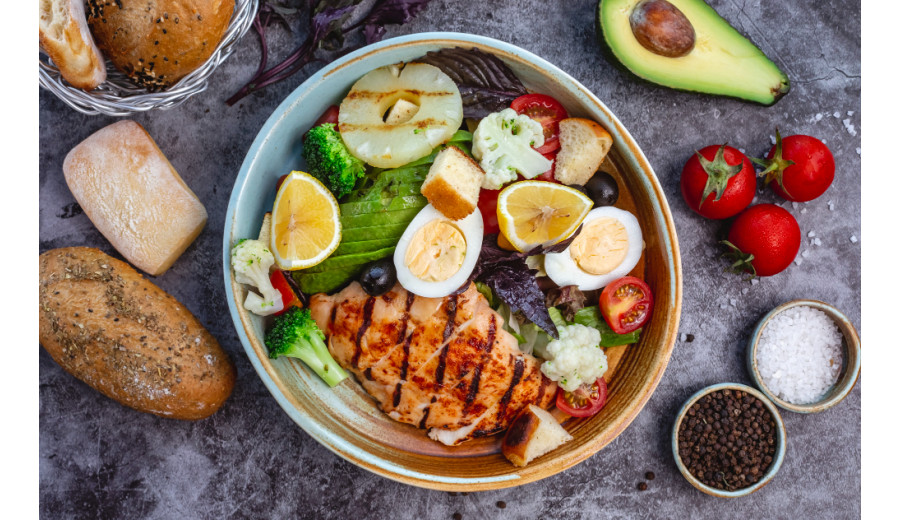
- Plant-based proteins: lentils, quinoa, beans, and
properly prepared legumes
- Wild-caught fish: like wild codfish, which is
light, digestible, and rich in nutrients
- Animal proteins: grass-fed beef, organic
pasture-raised chicken, and pasture-raised eggs
These sources provide essential amino acids along with vitamins,
minerals, and healthy fats that support overall health.
Can You Eat Too Much Protein?
Yes, more is not always better. Excessive protein, especially from highly
processed or low-quality sources, can stress digestion, kidneys, and the gut.
Balance is key. The goal is enough protein to support your body, not
extreme intake.
When Protein Isn’t Being Absorbed Properly
Even if you’re eating enough protein, your body still has to digest and
absorb it. Many women in perimenopause struggle with gut issues, low stomach
acid, or chronic gut inflammation. These issues can impair protein breakdown
and absorption, meaning your body may not be getting what it needs despite your
best efforts.
Signs this may be happening include bloating after meals, feeling tired
after eating, or slow recovery from exercise.
Protein + Movement = Powerful Protection
Protein works best when paired with regular movement, especially strength
or resistance training. Exercise sends a signal to your body to use protein to
build and maintain muscle, improving strength, balance, and long-term
independence.
The bottom line: Eating enough high-quality protein with each meal is one of the most
impactful steps women can take during perimenopause for muscle preservation,
metabolic health, and overall vitality.
If you’re unsure how much protein you need, which sources are best
for your body, or whether gut issues are getting in the way, I’d be happy to
help. Reach out for personalized support and guidance, you don’t have to figure
this out alone.